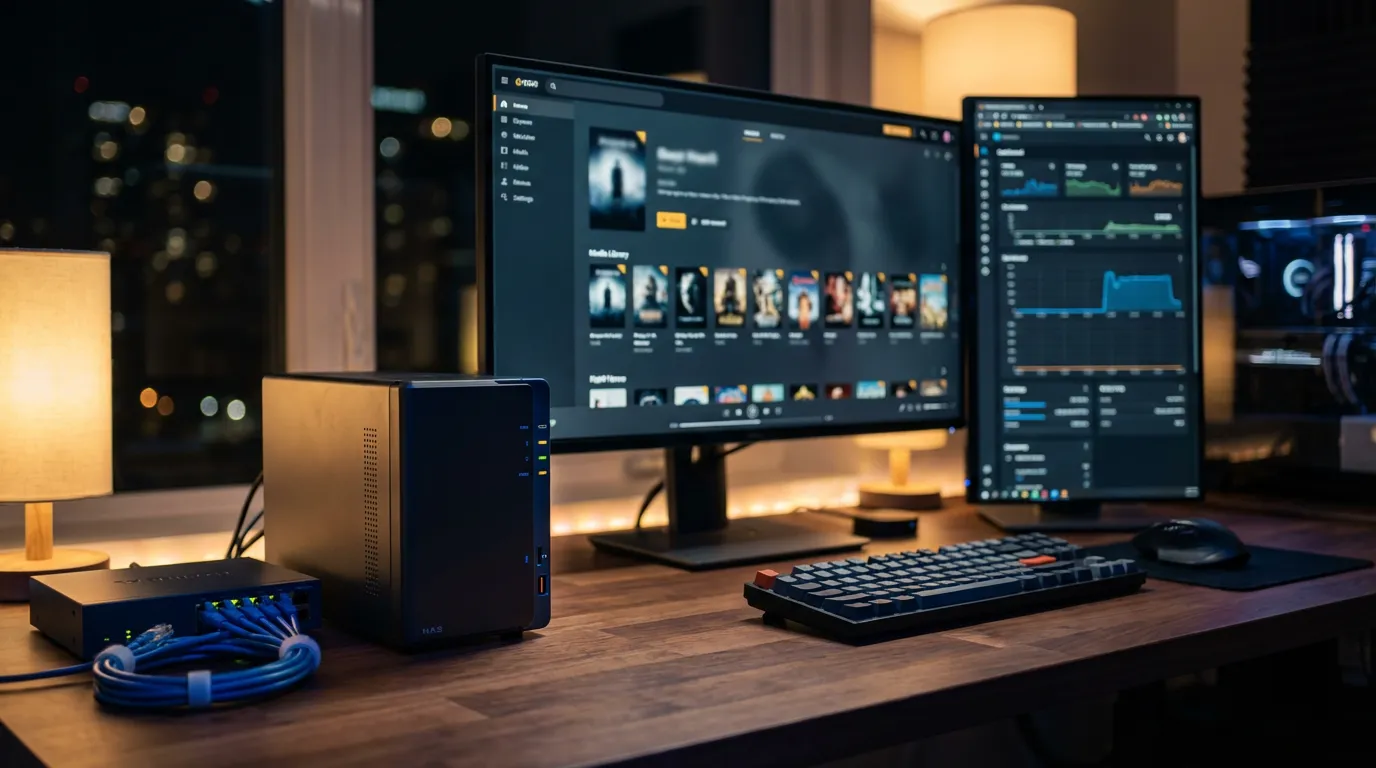
Emby Server Setup and Configuration Guide for Every Platform
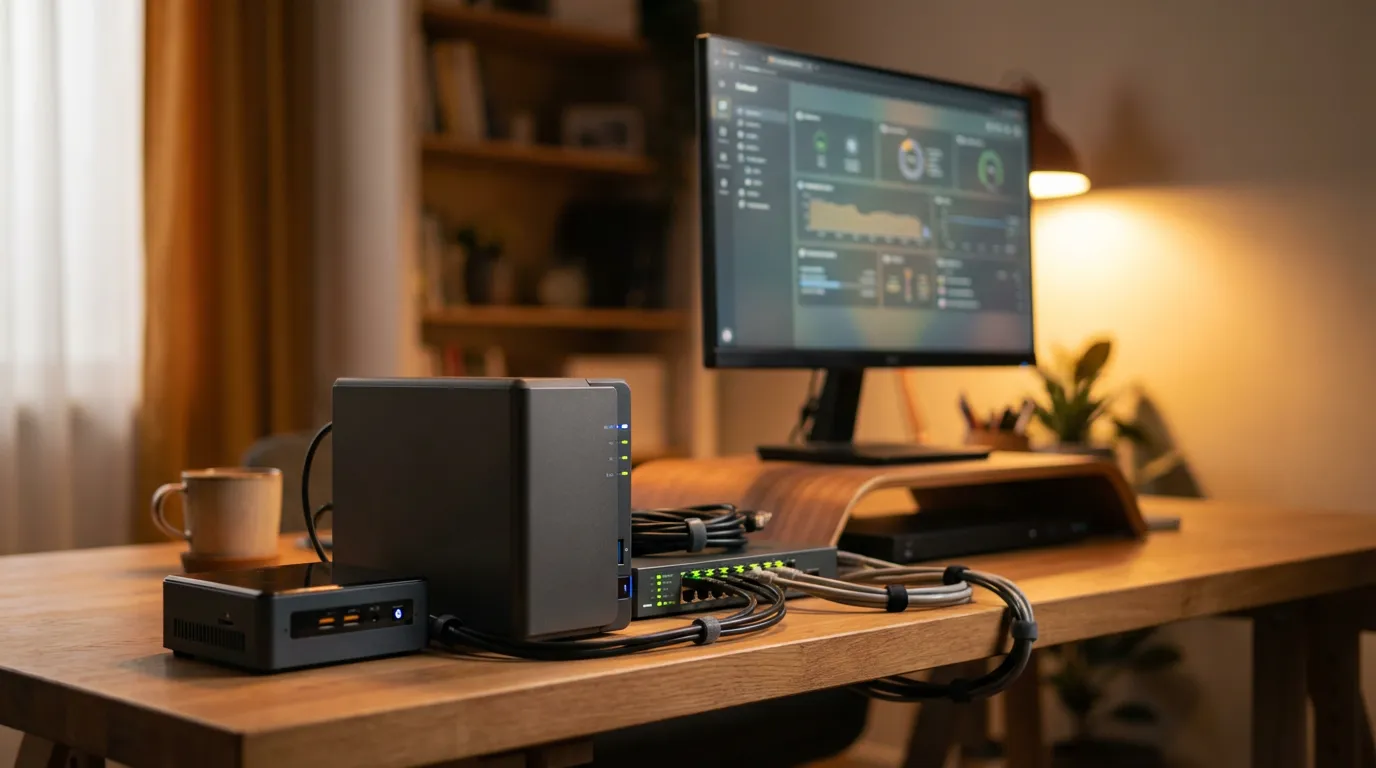
If you want a personal streaming setup that you control, Emby hits a sweet spot. It feels friendly when you are new, but it does not box you in once you start caring about things like user permissions, hardware transcoding, and remote access. Still, the first setup can feel weirdly stressful. One wrong folder, one blocked port, and you are staring at a loading spinner wondering if you broke your network.
This guide walks you through installing Emby on the major platforms, then setting it up the way most people wish they had done from day one. I will keep it practical. You will end with a working server, tidy libraries, sane user accounts, and playback settings that do not sabotage your CPU.
What you need before you install Emby
You can install Emby in ten minutes. You can also spend three days fixing avoidable mistakes. The difference is prep.
Hardware basics that matter
Emby runs on almost anything, but your experience depends on what you ask it to do.
Direct play needs very little CPU. This is when your client can play the file as-is.
Transcoding can crush weak hardware. This is when Emby converts video or audio on the fly because your client cannot handle the file.
If you plan to stream to phones, browsers, or remote users, assume you will transcode sometimes. I tend to prefer hardware with an Intel iGPU or a supported GPU, because software transcoding feels like punishment.
Storage and file organization
Emby can scan messy folders, but you will hate your life later when posters match wrong titles or seasons split apart. Pick a clean structure now.
Movies: /Movies/Movie Name (Edition) (Resolution)/Movie Name (Edition).mkv
TV: /TV/Show Name/Season 01/Show Name S01E01.ext
If you want a deeper naming and organizing plan that translates well across media servers, I keep coming back to this: how to organize and name media files for clean library matching. It is written with Plex in mind, but the file hygiene advice applies to Emby too.
Network checklist
Know the server IP address on your LAN.
Make sure your router does not change that IP every week. Use DHCP reservation if you can.
Confirm you can reach the server from another device on your network.
Installing Emby on Windows
Windows is the easiest path for beginners. It is also the path where people forget power settings and then wonder why streaming dies when the PC sleeps.
Install steps
Download the Emby Server installer from the Emby site.
Run the installer, accept defaults unless you have a reason not to.
After install, Emby launches and opens the web setup wizard in your browser.
Windows settings I would change right away
Sleep set the PC to never sleep when plugged in, or your server will vanish at random.
Firewall allow Emby Server through private networks. If you block it, your clients will fail to connect.
Updates schedule them. Forced reboots at night feel personal.
Installing Emby on macOS
macOS works well as a small home server, but it can be fussy about permissions if you store media on external drives.
Install steps
Download the macOS Emby Server package.
Drag Emby Server into Applications.
Launch it, then open the server dashboard in your browser.
Permissions tip for external drives
Give Emby access to the folders where your media lives. If Emby cannot read the drive, the library scan will look like it worked, but you will see empty libraries. That is one of those problems that makes you doubt your sanity.
Installing Emby on Linux
Linux is where Emby starts to feel at home. It runs steady, it reboots clean, and it plays well with headless setups. The tradeoff is you need to be comfortable with a terminal.
Install approach
Use the package format that fits your distro. Many people go with a Debian or Ubuntu server, but Emby supports other distros too. Install the server package, start the service, then open the web UI using the server IP and Emby port.
Linux file permissions that will bite you
Your Emby service runs as a user. That user must have read access to your media folders. If your media is on a mounted drive, check mount options and ownership. Fixing permissions early beats chasing ghost library issues later.
Installing Emby with Docker
Docker can feel like overkill. Then you reinstall your OS and your container comes back in minutes with the same config, and you stop laughing. I like Docker when you want clean upgrades and easy backups.
What to map
Config a persistent folder for Emby settings and database.
Media mount your Movies and TV paths into the container as read-only if you want safety.
Transcode map a fast temp path if you transcode a lot.
Ports and networking
Expose the Emby web port and the secure port if you use it. If you put Emby behind a reverse proxy, plan that upfront. It is not hard, but it is annoying to change later if you already shared links with friends.
Installing Emby on NAS devices
A NAS is the set-it-and-forget-it dream. It is also where people expect miracles from low-power CPUs. If your NAS has a modest processor, aim for direct play and keep transcoding to a minimum.
General NAS install steps
Open your NAS app store or package center.
Install Emby Server if it is available, or install via a supported package method.
Open the Emby web UI and run the setup wizard.
NAS storage paths
Use shared folders for Movies and TV. Avoid pointing Emby at a random system path. You want something stable that survives updates.
Running the Emby first run setup wizard
The wizard feels simple, but your choices here ripple through everything. Take your time.
Create your admin user
Use a strong password. Do not reuse your email password. I hate saying that, but media servers tend to grow from “just me” to “my whole house” fast, and then you open remote access and your threat model changes.
Set your language and metadata options
Pick your preferred metadata language. Then decide if you want Emby to download artwork and metadata. Most people do. If you run on limited bandwidth, you can restrict some downloads.
Add libraries the right way
Create separate libraries for Movies, TV Shows, Music, and Photos. Mixing Movies and TV in one folder is the kind of chaos that feels fun until posters mismatch and you spend a weekend fixing it.
When you add a library:
Select the correct content type.
Point to the folder that contains only that type.
Enable real-time monitoring if your storage supports it, so Emby notices new files faster.
Emby dashboard settings you should change early
Once you reach the dashboard, Emby offers a lot of toggles. Some matter more than others. These are the ones I touch early because they prevent pain later.
Server name and identification
Set a clear server name. If you end up with multiple servers, you will thank yourself. “Emby” is not a name, it is a placeholder.
Library scan and metadata behavior
Schedule library scans at a time your server is awake and idle.
If you store media on a slow network share, avoid aggressive scan intervals. It can feel like Emby is constantly chewing on your disks.
Transcoding settings
Transcoding is where servers either feel smooth or feel like they are about to catch fire.
Transcode temporary path point it to fast storage if possible.
Max simultaneous transcodes set a limit that matches your hardware. Unlimited sounds generous until one person scrubs through a movie and your CPU hits the ceiling.
Hardware acceleration enable it if your platform supports it and you have the right drivers. This single setting can change your server from struggling to calm.
If you want a deeper mental model for why transcoding hurts and how to plan around it, the ideas in this transcoding hardware and software guide translate well to Emby. The names differ, the physics does not.
Creating users and setting permissions
User setup is where Emby feels more grown-up than a lot of DIY servers. You can keep it simple, or you can lock it down hard.
Start with two user types
Admin you. Full access. Keep it private.
Viewer accounts family and friends. Limited access.
Permissions that matter
Library access give each user access only to what they should see.
Playback restrictions limit max streaming bitrate for remote users if your upload speed is not generous.
Device access if you want tighter control, restrict which devices can sign in.
Be honest with yourself. If you share your server outside your home, you are running a small service. That feels fun. It also means you should act like it.
Remote access setup that does not turn into a weekend project
Remote access is where beginners get stuck. You can do it, but your router and ISP can add friction.
Pick your remote access approach
Direct port forward simplest concept, most common pitfalls.
Reverse proxy more setup, cleaner long-term.
VPN private, but it adds steps for users.
Port forwarding sanity check
If you go the port forward route:
Reserve a static LAN IP for your Emby server.
Forward the Emby port from your router to that IP.
Confirm your firewall allows inbound traffic on that port.
Even if you are not using Jellyfin, I like the way this guide frames the troubleshooting steps. The logic is the same across servers: remote access setup and troubleshooting for home media servers.
Remote streaming quality
Set expectations. If your upload speed is limited, remote streaming can feel rough. You can cap remote bitrate per user to keep your home internet usable. This is one of those tradeoffs that feels unfair, but it beats buffering every ten minutes.
Clients and playback settings that prevent headaches
Emby succeeds or fails at the client device. Your server can be perfect, but one underpowered streaming stick can force transcodes and make you think the server is the problem.
Direct play is your friend
When you can direct play, do it. Pick clients that support your codecs. If you store lots of HEVC files, make sure your playback devices handle HEVC well. If they do not, your server will end up converting video constantly.
Subtitle choices matter
Subtitles can trigger video transcodes, even when the video would direct play. Image-based subtitles can be the culprit. If you see transcodes when you do not expect them, test playback with subtitles off, then switch subtitle formats if needed.
Audio can force transcodes too
Some TVs and mobile devices choke on certain surround formats. When that happens, Emby might transcode audio, which is not terrible. But it can also trigger a full video transcode depending on the client. Watch your server dashboard during playback and you will learn fast what your devices can handle.
Media library tips that make Emby feel polished
A clean library makes the whole system feel calm. A messy library makes you feel like you are managing a junk drawer.
Use separate folders for 4K content
If you keep both HD and 4K versions, separate them or use versions that Emby can present cleanly. If you mix them randomly, remote users will pick the 4K file and wonder why it buffers. Then you will wonder why you shared access at all.
Lock metadata when you fix something
If you correct a match or replace artwork, lock it. Otherwise a future scan can undo your work. That is one of those quiet annoyances that makes people blame the server when the real issue is automation doing its job too aggressively.
Security settings worth your attention
I have mixed feelings about home server security advice because it can spiral into paranoia. Still, a few steps are low effort and high payoff.
Use strong passwords for admin and any remote users.
Limit admin access do not use your admin account for daily watching.
Keep Emby updated updates fix bugs and security issues. Skipping updates forever is a choice, but it is not a relaxing one.
Common setup problems and fast fixes
You can do everything right and still hit a wall. Here are the problems I see people run into, with fixes that do not waste your evening.
The web UI will not load
Confirm the server service is running.
Try the server IP instead of a hostname.
Check firewall rules on the server.
Libraries show empty folders
Check file permissions on the media path.
Confirm the folder you added contains media files, not only subfolders with weird names.
If you use Docker, confirm your volume mappings point to the right host paths.
Everything is transcoding
Test a different client device.
Lower remote quality settings on the client to match your bandwidth.
Check subtitles. Turn them off to test, then adjust subtitle format choices.
Remote access works at home but not away
Do not test remote access from inside your own network using the public address. Some routers do not support hairpin NAT.
Confirm your ISP is not blocking inbound ports, or that you are not behind CGNAT.
Double-check the port forward points to the correct internal IP.
Adding prerolls and cinema style intros in Emby
This is the fun part. A preroll before a movie changes the vibe of your server in a way that is hard to explain until you see it. It can feel like you built your own theater. It can also feel a little silly. I like that it is optional.
If you want Emby-ready intros, start with the Emby section on Prerolls: Emby preroll videos and cinema intros. If you want to browse styles and find something that matches your theme, browse preroll videos by style and platform is the fastest way to get ideas.
When you add prerolls, keep file sizes reasonable and formats compatible with your clients. A preroll that forces transcoding before every movie can turn a fun feature into a constant tax on your server.
A setup checklist you can follow without overthinking
| Task | What to aim for |
|---|---|
| Install Emby | Service runs on boot, web UI reachable on LAN |
| Add libraries | Separate Movies and TV, clean folder structure, correct content type |
| Transcoding settings | Hardware acceleration enabled when supported, temp path on fast storage |
| Users and permissions | Admin private, viewers limited, remote bitrate caps where needed |
| Remote access | Works from outside network, secure access plan in place |
| Client testing | At least one TV client and one mobile client tested for direct play |
If you follow that checklist, you get a server that behaves. You can tweak the fancy stuff later. I would rather have a stable Emby server that plays everything than a flashy one that collapses the moment someone turns on subtitles.